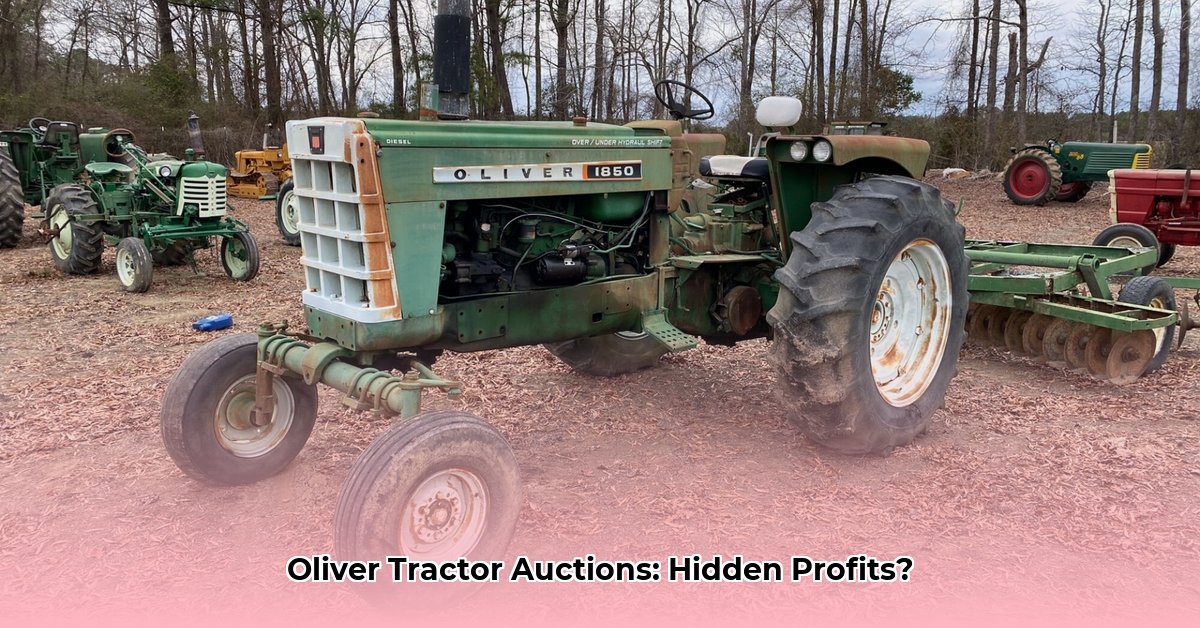
Navigating the Oliver Tractor Auction Landscape
The world of vintage tractor collecting offers a fascinating, albeit niche, investment opportunity. Oliver tractors, with their rich history and distinct design, represent a particularly intriguing segment within this market. However, the Oliver tractor auction landscape presents unique challenges and rewards. Unlike larger, more mainstream markets, this specialized sector is characterized by price volatility and a relatively limited number of available tractors. This scarcity, however, also contributes to the appeal, with beautifully restored models commanding impressive prices while those needing significant work may fetch less. Where can you find these elusive auctions? Online platforms such as TractorHouse and AuctionTime are your primary resources, but locating desirable Olivers requires patience and a keen eye. For more buying advice, check out this helpful guide.
Your Roadmap to Oliver Tractor Auction Success
Successfully navigating the Oliver tractor auction requires a strategic approach. Here's a five-step plan to guide you:
Step 1: Thorough Research is Paramount
Before bidding, immerse yourself in the world of Oliver tractors. Familiarize yourself with different models, their production years, unique features, and typical condition. Understanding a model's history provides a significant advantage when assessing its value. Utilize online forums dedicated to vintage Oliver tractors and explore reference books on the Oliver Corporation's history. Is this level of detail really necessary? Absolutely. This market is highly specialized, and knowledge is your greatest asset.
Step 2: Prioritize In-Person Inspection
Auction photos can be misleading. Whenever possible, attend pre-auction viewings for a firsthand assessment. Examine the tractor thoroughly, looking beyond superficial aesthetics. Inspect for hidden rust, assess the mechanical condition of the engine and transmission, and carefully examine any signs of past repairs or modifications. This meticulous inspection could save you considerable expense later.
Step 3: Establish a Firm Budget
The thrill of the auction can easily obscure sound financial judgment. Setting a strict budget before bidding is critical. Determine your absolute maximum spending limit and adhere to it rigorously. Remember, responsible financial planning is a crucial element of successful investing.
Step 4: Analyze Your Competition
Oliver tractor auctions can be surprisingly competitive. Observing other bidders and assessing their interest level allows you to refine your strategy. Consider scouting the auction beforehand to gauge the level of competition and the potential interest in the tractors you are considering. Knowing who you're up against informs your bidding approach.
Step 5: Post-Auction Planning: Transportation & Restoration
Winning the bid is just the start. Factor in transportation costs and potential restoration expenses. A seemingly affordable purchase can quickly become costly with unforeseen repair needs. A successful purchase is not just about the auction; it's about preparation.
Key Factors Influencing Oliver Tractor Auction Prices
Several factors determine an Oliver tractor's auction value:
| Factor | Impact on Auction Prices |
|---|---|
| Model Rarity | Rare models and limited production runs command significantly higher prices. |
| Condition | Pristine, fully restored tractors fetch a premium over those needing significant work. |
| Location | Auction location influences potential bidder pool, affecting prices. |
| Auction Platform | Different platforms attract different demographics, impacting competition and price accordingly. |
| Completeness | Original, complete tractors are generally more valuable than those missing parts. |
The Allure and Potential of Restoration
Restoring an Oliver tractor is a labor of love, often requiring significant time and expertise. However, a successful restoration can dramatically increase the tractor's value. This process, similar to restoring a classic car, represents a long-term investment with the potential for substantial financial returns. The key factors for success include patience, a deep understanding of Oliver tractor mechanics, and access to authentic parts.
Data Gaps and Future Outlook
While this guide offers key insights into the Oliver tractor auction market, crucial data are still lacking. Comprehensive data on sales volumes, regional price variations, and buyer demographics would offer a more complete picture. Further research is needed to improve our predictive capabilities and provide more accurate insights into this dynamic market. The future of this niche market will depend on factors such as sustained collector interest, the broader vintage equipment market's health, and overall economic trends.
How to Restore a Vintage Oliver Tractor for Resale: A Step-by-Step Guide
Restoring an Oliver tractor is a multi-faceted process blending mechanical skill, historical research, and community engagement. Success requires careful planning and attention to detail, with significant payoffs for a well-executed restoration.
Key Takeaways:
- Oliver tractor restoration is a blend of mechanical expertise, historical research, and community collaboration.
- Sourcing parts and restoring implements present significant challenges.
- Online forums and historical societies serve as invaluable resources.
- Successful restoration significantly enhances resale value.
- A meticulously restored Oliver tractor represents a compelling investment.
Step-by-Step Restoration:
Assessment & Planning: Thoroughly inspect, document, and plan your restoration, including a realistic budget.
Parts Acquisition: Source original parts, utilizing online forums, local historical societies, and scrap yards.
Disassembly & Cleaning: Carefully disassemble and meticulously clean each part to prevent future corrosion.
Repair & Restoration: Address mechanical issues, seeking expert help when needed. Use high-quality materials.
Reassembly & Testing: Carefully reassemble and thoroughly test all systems.
Finishing Touches: Consider a professional paint job and period-correct decals to enhance the tractor's visual appeal and value.
Maximizing Resale Value:
- Originality: Preserve originality whenever possible; document your restoration process.
- Functionality: Ensure full functionality of all systems.
- Documentation: Maintain detailed records of the restoration process, building trust with buyers.
- Presentation: Showcase your work with high-quality photographs.
Mitigating Risks:
Thorough planning, a realistic budget, and a keen awareness of potential challenges are vital to minimize risks associated with the restoration process. This is a significant undertaking requiring patience, skill, and knowledge.